• About Us
  • Conservation
  • Monitoring
  • Training
  • Publications
  • Shop
Menu
  • About Us
  • Conservation
  • Monitoring
  • Training
  • Publications
  • Shop

Biodiversity on your Farm

If you want to help biodiversity on your farm, the first step is to find out what’s already there!

The ‘Biodiversity on your Farm’ project will help you learn more about the species you are likely to find on your farm.

Every week we will focus on a different species, and share a simple tip for managing your farm for biodiversity.

This project is a new recording initiative in collaboration with the Department of Agriculture, Food and the Marine.

Recording the Biodiversity on your Farm

Across the year, we will be highlighting 40 different species, with a focus on pollinators. Keep an eye out every week for a new species profile, tips on managing your farm for biodiversity, as well as identification guides and training courses.

To take part, just send us your sightings! The project is suitable for all knowledge levels, and you can submit your sightings through an online recording form or through the mobile App (link to App is coming soon).

Are you up for the challenge?

Specie #1:

Early Bumblebee Bombus pratorum

Species #2:

Grey (or Ashy) Mining Bee Andrena cineraria

Species #3:
Red Deadnettle
Lamium purpureum 

Species #4:

Clarke's Mining Bee Andrena clarkella

Species #5:

Marshams Nomad Bee

Nomada marshamella

Species #6: Dandelion

Taraxcum agg.

Species #7:

Holly Blue

Celestrina argiolus

Species #8: Hawthorn/Whitethorn

Crateagus monogyna

Species #9:

Common Snout hoverfly Rhingia campestris

Species #10:

Large Carder Bee Bombus muscorum

Species #11:

Green Shieldbug Palomena prasina 

Species #12:

House Martin Delichon urbicum

Species #13: Huming-bird Hawk-moth

Macroglossum stellatarum

Species #14:

Red-tailed Bumblebee

Bombus lapidarius

Species #15: Common Linnet Carduelis cannabina

Species #16:

Garden Bumblebee Bombus hortorum

Species #17:

7-spot Ladybird Coccinella septempucata

Species #18: Common Carder Bee Bombus prascuorum

Species #19: Common Darter Sympetrum striolatum

Species #20:

Ragged Robin

Silene flos-cuculi

Species #21:

Garden Tiger

Arctia caja

Species #22:

Small Copper Lycaena phlaeas

Species #23: Common knapweed Centaurea nigra


Species #24:

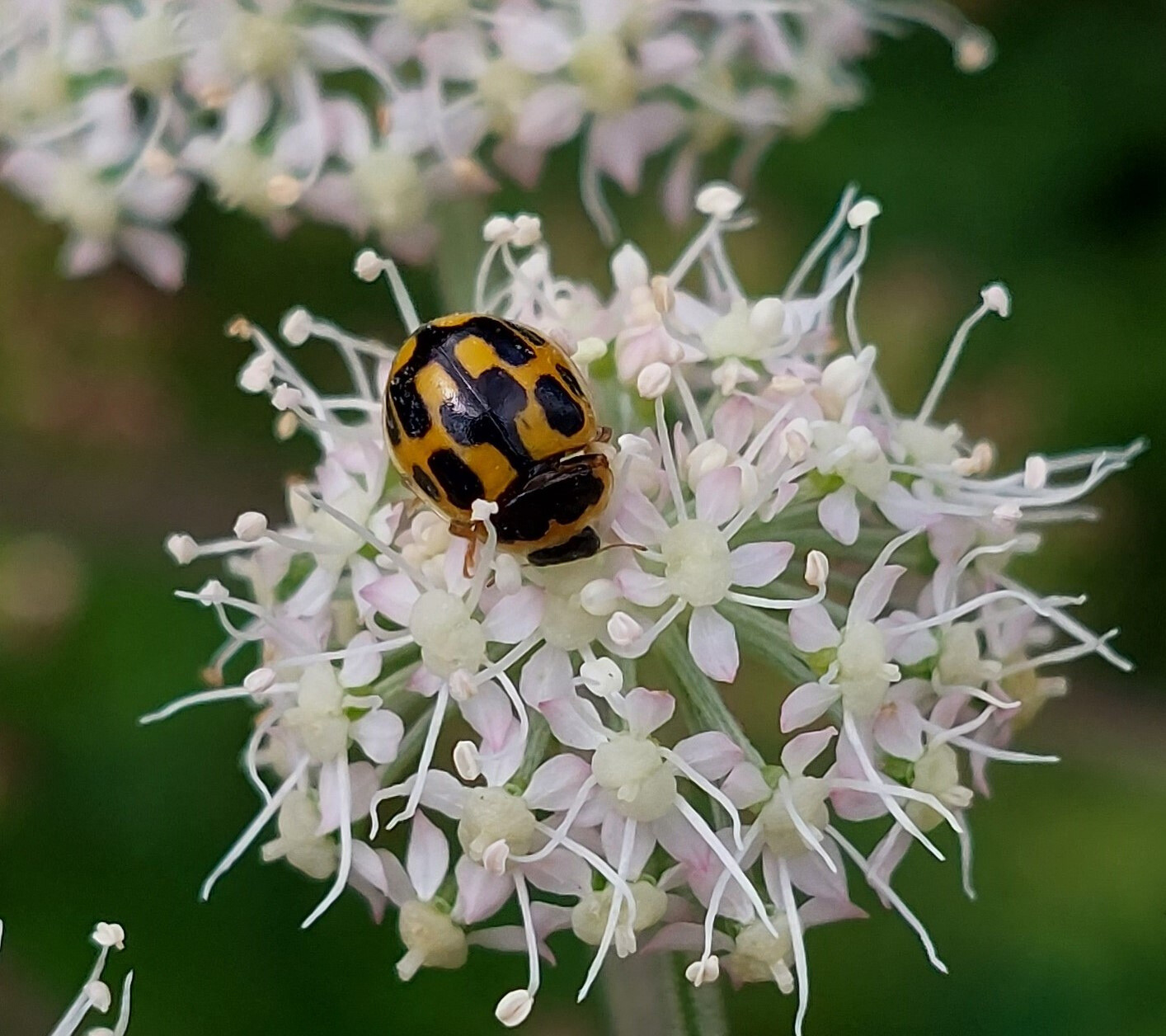
14-spot Ladybird Propylea 14-punctata

Species #25: Swallow

Hirundo rustica

Species #26: Noon Fly Mesembrina meridiana 

Species #27: Kestrel Falco tinnunculus

Species #28: Buff-tailed bumblebee Bombus terrestris

Species #29: Garden Spider

Aranus diadematus

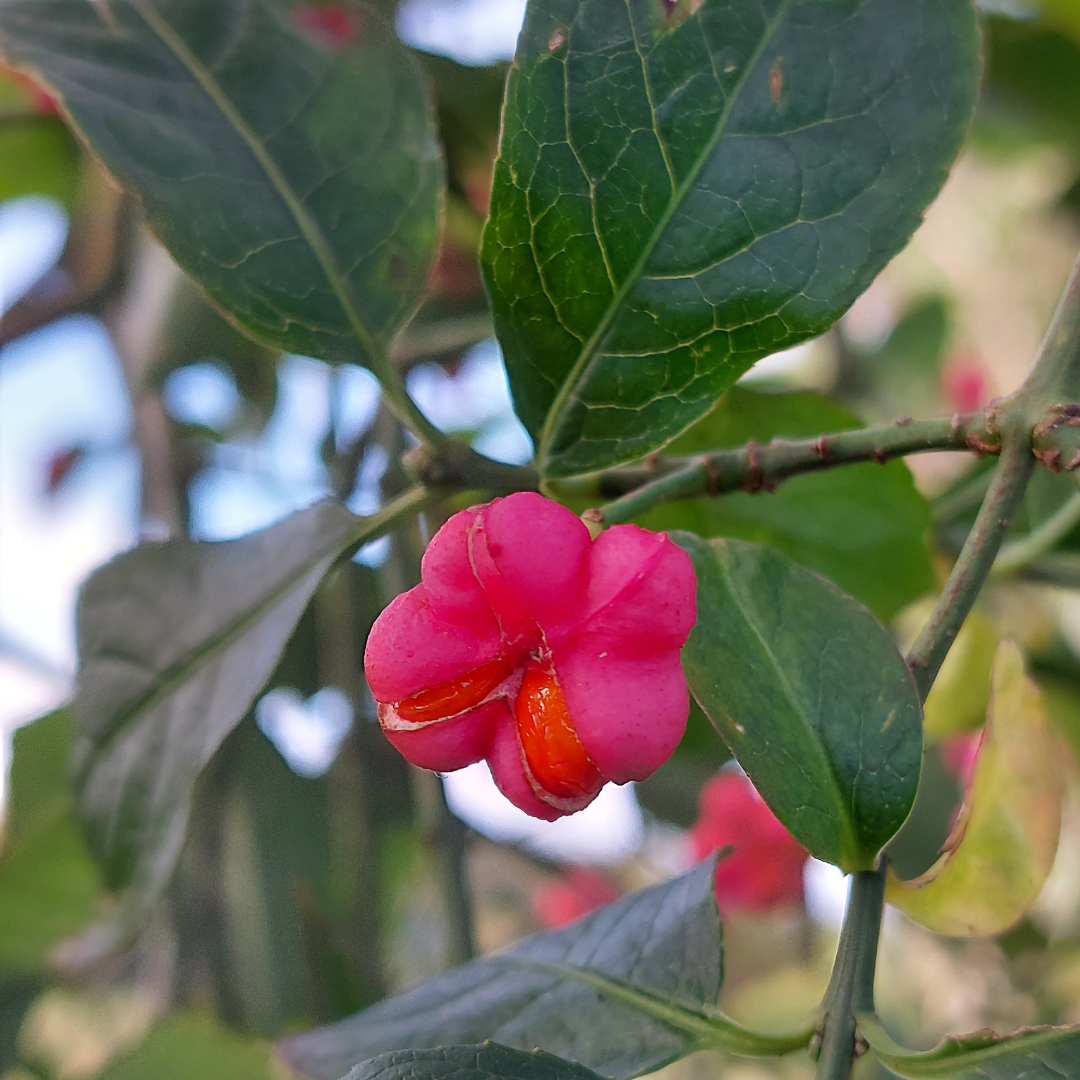
Species #30: Spindle Euonymus europaeus

https://biodiversityireland.ie/app/uploads/2023/10/Species-Profile-30-Spindle.pdf

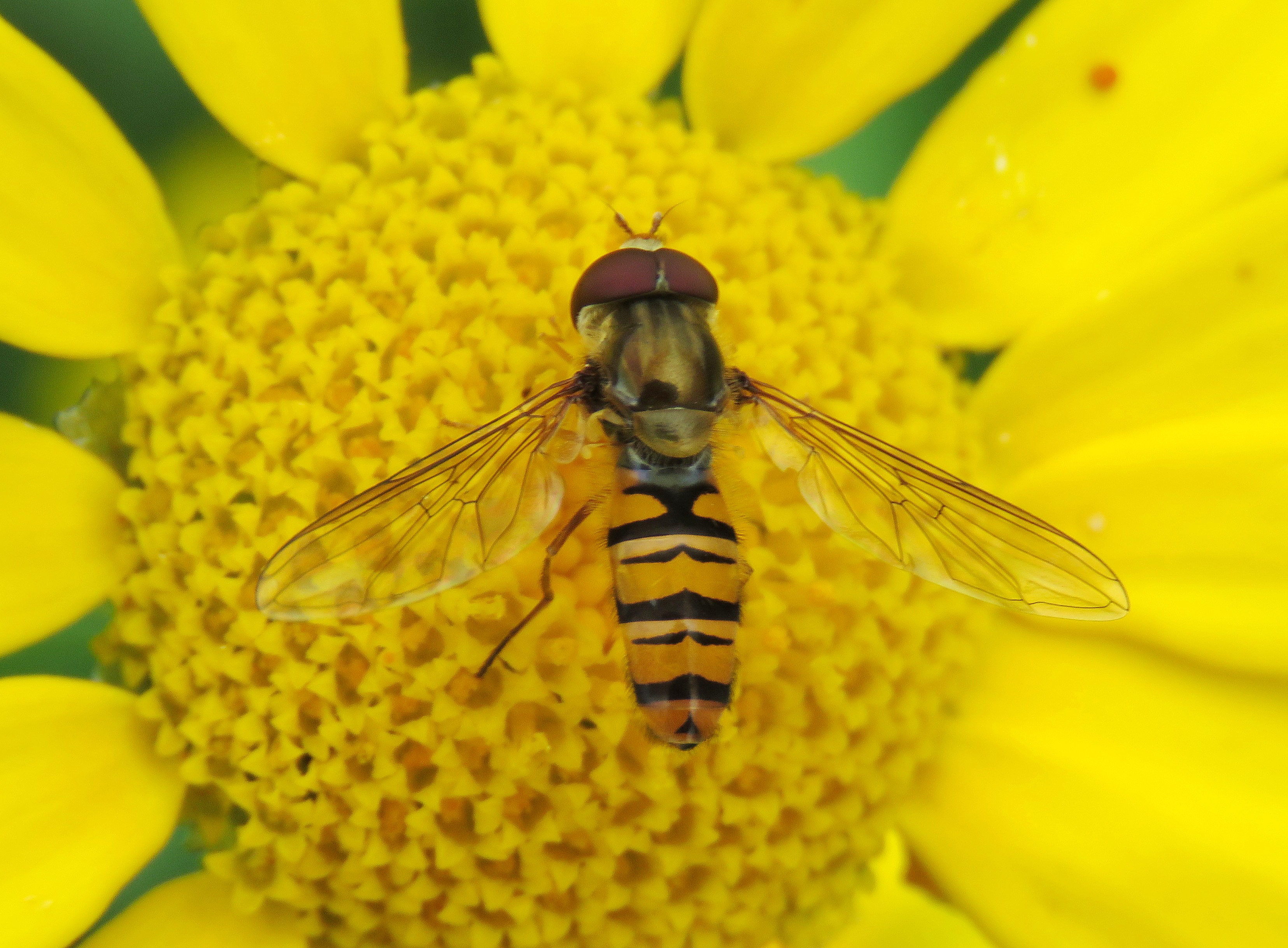
Species #31: Marmalade Hoverfly Episyrphus balteatus

https://biodiversityireland.ie/app/uploads/2023/10/Species-Profile-31-Marmalade-hoverfly.pdf

Species #32: Devil's Coach-horse Ocypus olens 

Species #33: Common Bullfinch Pyrrhula pyrrhula

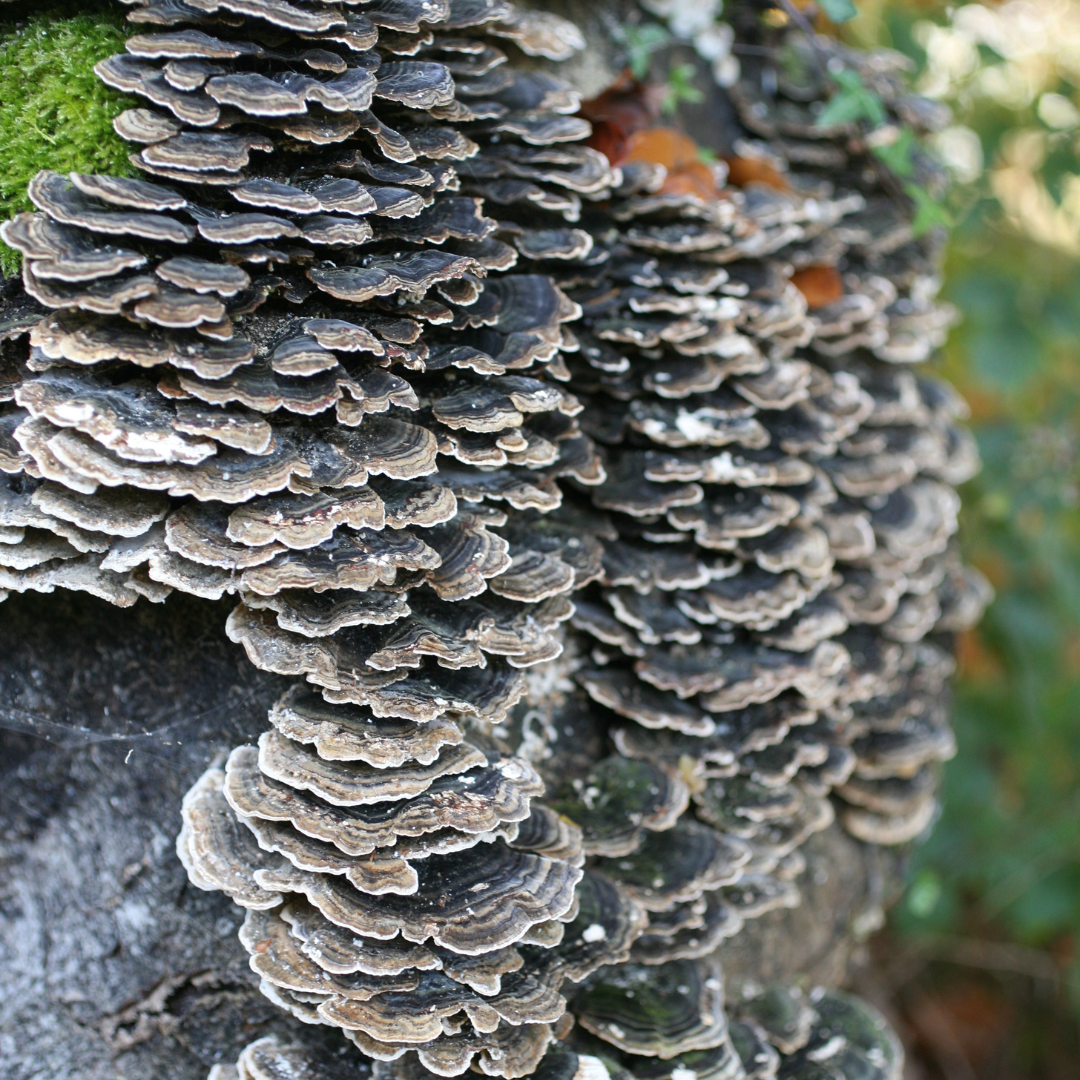
Species #34: Turkeytail Tremates versicolor

https://biodiversityireland.ie/app/uploads/2023/11/Species-Profile-Turkeytail-fungi.pdf

Species #35: Irish Hare Lepus timidus hibernicus

Species #36: Robin's Pincushion (Bedeguar Gall Wasp) Diplolepis Rosae

Species #37: Fieldfare Turdus Pilaris

Species #38: Yellow Brain fungus Tremella mesenterica 

Species #39: Common Puffball Lycoperdon perlatum

Species #40: Holly Leaf miner Phytomyza ilicis


Native Farmland Plants and their Pollinators

Across the year we’ll focus on 10 native farmland plant species and some of the pollinating insects that are associated with them.

There will also be tips on managing your farm for biodiversity, identification guides and training courses.

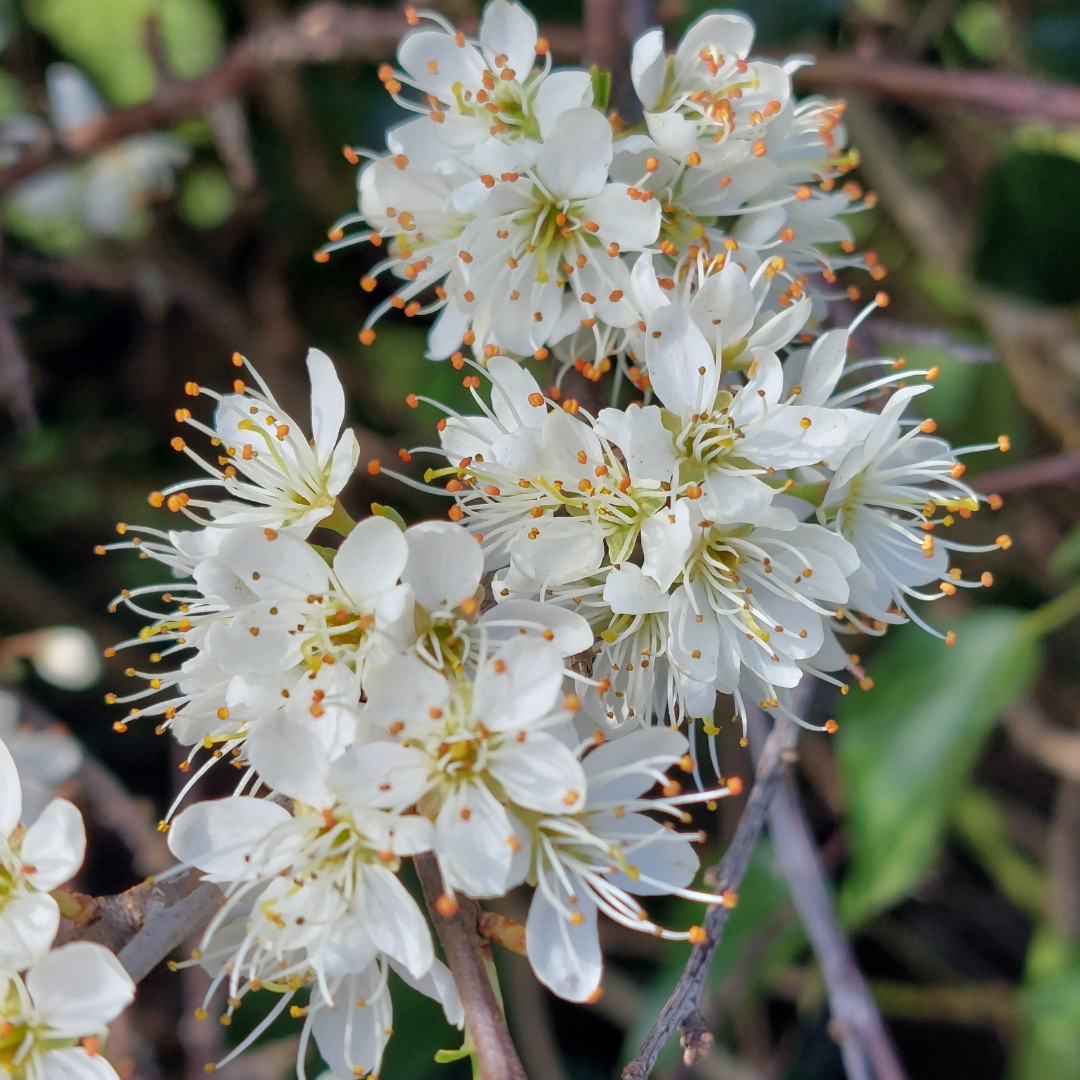
Species #1: Blackthorn Prunus spinosa

Species #2: Wild cherry Prunus avium

Species 3: Crab apple Malus sylvestris

Species #4: Rowan Sorbus aucuparia

Species #5: Selfheal Prunella vulgaris

Species #6: Meadowsweet Filipendula ulmaria

Species #7: Bird's foot trefoil Lotus corniculus

Species #8: Vetches and vetchlings

Species #9: Yarrow Achillea millefolium

Species #10: Ivy Hedera helix

Alan bringing in the cows for milking.

Finding out about Farmland Biodiversity on a dairy farm in Co. Wexford

Alan and Cheryl Poole and their family are dairy farmers in Co. Wexford. They spoke to our Farmland Pollinator Officer to share some wildlife they have spotted following a biodiversity walk on their farm in 2022.

Alan found that after learning more about biodiversity, it was easier to spot wildlife. Alan says: ‘Now, as I continue my work on the farm, I ask myself what I can do differently or better to help biodiversity. There is so much potential to be realised by making small changes. ‘It’s amazing the importance of a simple thing like hedgerows, as it turned out, they were the common denominator between all the farmers who attended an evening biodiversity walk on my farm’.

The Value of Nature

Farming with nature in mind can be a valuable tool, benefitting our farming systems and building resilience for future changes (from climate to economic).

Here are just some of the benefits:

  • natural pest control from beneficial insects
  • improved soil health
    • helps in periods of low and high rainfall
    • reduces soil erosion
    • soil requires less input and sustainable yields
  • pollination of crops and wild plants
  • improve water quality
  • building resilience for future changes.

Alan Poole, a dairy farmer from Co Wexford says , ‘Now, as I continue my work on the farm, I ask myself what I can do differently or better to help biodiversity. There is so much potential to be realised by making small changes.’


All-Ireland Pollinator Farmland guidance


Contact Us


If you have any questions, please get in touch with our Farmland Pollinator Officer at pollinators@biodiversityireland.ie

The Farmland Pollinator Officer post is funded by Department of Agriculture, Food and the Marine as one of its contributions to assisting implementation of the All-Ireland Pollinator Plan 2021-2025.


  • Contact Us
  • 051 306 240
  • National Biodiversity Data Centre
    Beechfield House,
    South East Technological University West Campus,
    Carriganore,
    Co. Waterford,
    Ireland.
    X91 PE03


The National Biodiversity Data Centre is a Company Limited by Guarantee. Register Number: 730718.

Heritage council logo


  • Privacy
We made this!
  • Home
  • About
    • Strategic Objectives
    • Global Biodiversity Information Facility
      • Ireland’s GBIF profile
      • The GBIF Network
      • Latest news at GBIF
      • GBIF Science Review
  • Monitoring & tracking change
  • Assisting conservation
  • Ireland’s Biodiversity Learning Platform
  • Training Events and Workshops
  • Publications
  • Biodiversity Ireland’s Top 10
  • Local communities & NGOs
  • Farmers
  • Public Bodies
  • Researchers
  • Videos
  • Shop
  • News and Events
  • Procurement
  • Jobs & Opportunities
We use cookies on our website to give you the most relevant experience by remembering your preferences and repeat visits. By clicking “Accept”, you consent to the use of ALL the cookies. However you may visit Cookie Settings to provide a controlled consent. You can view our privacy policy here.
Cookie settingsACCEPT
Privacy & Cookies Policy

Privacy Overview

This website uses cookies to improve your experience while you navigate through the website. Out of these cookies, the cookies that are categorized as necessary are stored on your browser as they are essential for the working of basic functionalities of the website. We also use third-party cookies that help us analyze and understand how you use this website. These cookies will be stored in your browser only with your consent. You also have the option to opt-out of these cookies. But opting out of some of these cookies may have an effect on your browsing experience.
Necessary
Always Enabled
Necessary cookies are absolutely essential for the website to function properly. This category only includes cookies that ensures basic functionalities and security features of the website. These cookies do not store any personal information.
Non Necessary
Any cookies that may not be particularly necessary for the website to function and is used specifically to collect user personal data via analytics, ads, other embedded contents are termed as non-necessary cookies. It is mandatory to procure user consent prior to running these cookies on your website.
Save & Accept